One Pacific approach to closing the weather and climate data gap
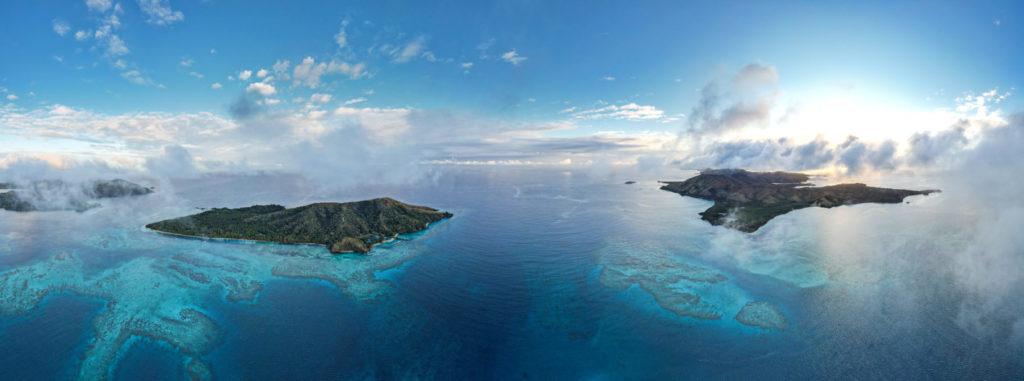
Across the Pacific, shared challenges demand a shared response. Vast distances, limited technical capacity and frequent natural hazards make weather-observing infrastructure particularly costly to operate and difficult to maintain. “If a weather station breaks, it can take up to three months to get a spare part,” explained one director of a Pacific Meteorological Service during a joint event convened last June by Weather Ready Pacific (WRP) and the Systematic Observations Financing Facility (SOFF) in the Solomon Islands.
From partnerships to joint regional action
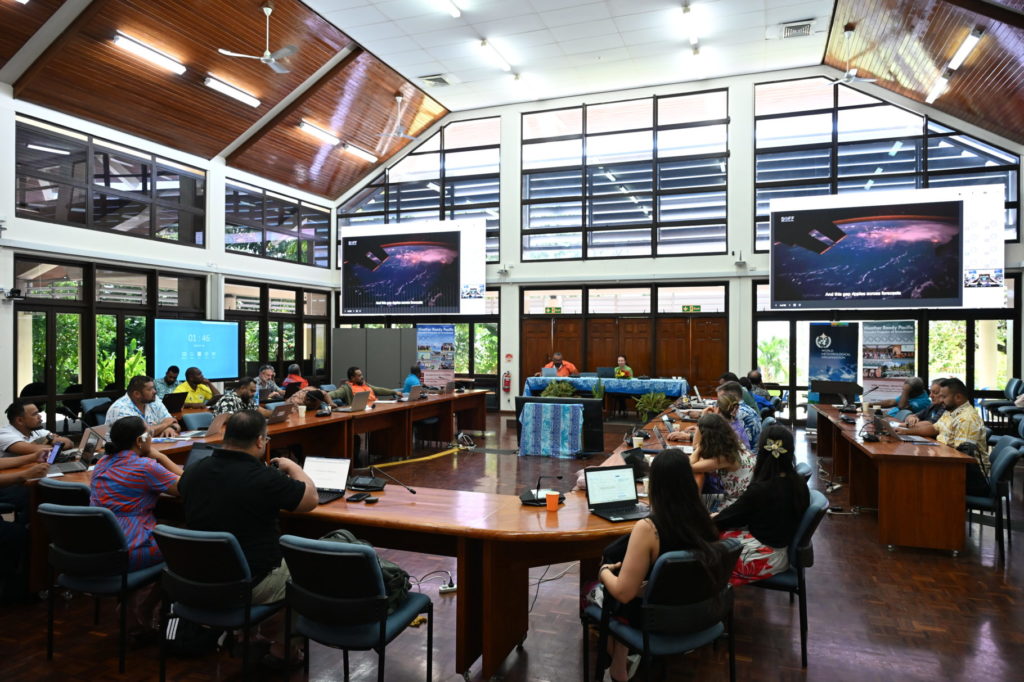
The event, “Strengthening Weather and Climate Observations in the Pacific,” brought together directors of Pacific Meteorological Services, SOFF Peer Advisors from the Australian Bureau of Meteorology and New Zealand’s Met Service, and SOFF Implementing Entities UNDP and UNEP for a half-day session with SOFF and Weather Ready Pacific in Honiara. It was held alongside the WRP Steering Committee meeting, which SOFF attended for the first time as an observer.
The gathering advanced the SOFF–WRP partnership established through a Memorandum of Understanding signed at COP29. Discussions focused on coordinating action, aligning future financing and shaping a regional approach for sustaining investments.
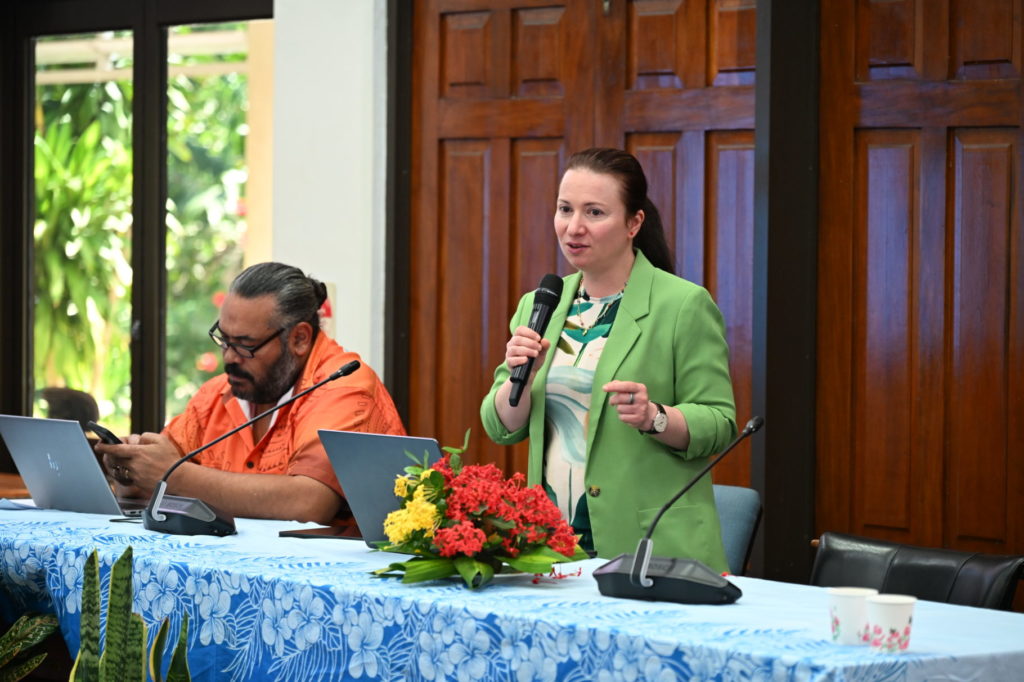
“Together with Pacific Meteorological Directors and Weather Ready Pacific, we share a common vision: stronger weather and climate observations across the Pacific, built through joint action, regional synergies and investments that can be sustained over the long term.”, noted the SOFF Deputy Director Olga Miltcheva who attended the event.
“We look forward to continuing to work closely with SOFF and Pacific Meteorological Services to support new and rehabilitated observing stations that will strengthen forecasting and early-warning systems across our region,” said WRP Programme Manager ‘Ofa Fa’anunu.
The joint ambition rests on a strong foundation. Pacific meteorological services already cooperate through trusted regional initiatives, technical networks and long-standing partnerships. “This tight-knit Pacific community, shaped by the shared challenge of distance, is one of the reasons why a regional approach makes so much sense here,” Miltcheva added.
A major gap and a global opportunity
The Pacific gap in the Global Basic Observing Network, or GBON, is striking. GBON defines the surface and upper-air observations countries have internationally agreed to collect and share for weather forecasting. From the Pacific, only 10 per cent of the required surface observations and 23 per cent of upper-air observations are currently shared globally. Closing this gap in the Least Developed Countries and Small Island Developing States could reduce uncertainty in forecasts across the Pacific by 20 per cent, according to 2025 ECMWF–SOFF impact experiments, helping communities prepare better for hazardous weather.
The benefits of better observations extend far beyond the islands. Pacific countries span about 15 percent of the world’s surface, and an upper-air station on a remote Pacific island can be up to 50 times more valuable to global forecasting than one in observation-rich Europe.
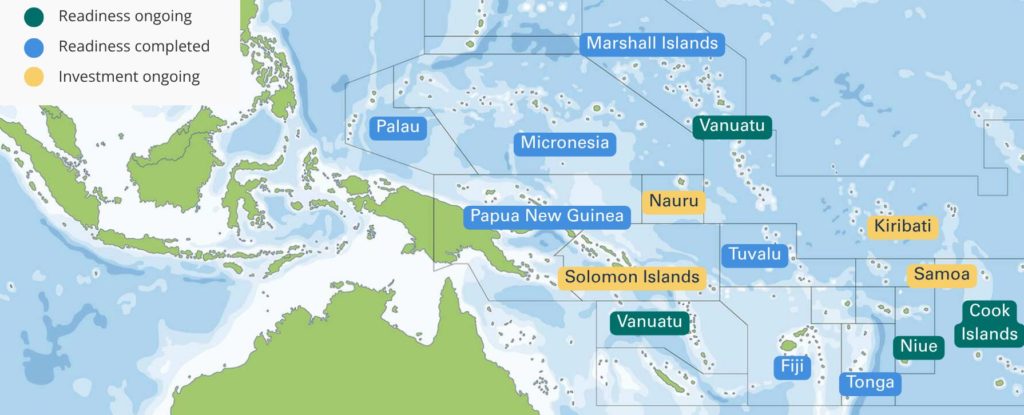
Progress is underway with more than USD 33 million already mobilized by SOFF in the region. Four Pacific countries are now investing through SOFF in GBON-compliant infrastructure and national capacity. Ten more countries are ready or nearly ready to begin investments, while the Cook Islands and Niue have just been approved to start the Readiness Phase. Bringing these 12 remaining countries into the Investment Phase will require an estimated USD 80 million.
Keeping the Pacific data flowing
SOFF’s three-phase model is designed not only to close the GBON gap, but to prevent it from reopening. In the Readiness Phase, countries identify their observation gaps and develop national action plans. The Investment Phase SOFF supports the installation or rehabilitation of infrastructure and the capacity needed to operate it.
Particularly critical for sustaining the investments in the long-term is its third phase: Compliance. Once investments are completed, National Meteorological Services can receive annual results-based payments for each eligible station that continues to share the required observations through WMO’s global system.
Under the SOFF Compliance Phase Payment Framework, recently approved by the SOFF Steering Committee, countries can choose to channel this results-based support through a trusted regional partner. In Honiara, participants discussed the potential for WRP to play that role in the Pacific, helping coordinate action and sustain station operations, technical capacity and data sharing over the long term.
A truly regional approach to closing the Pacific’s GBON gap begins with ensuring that every country can move into investment, backed by a broader base of funders. SOFF’s new financing mechanism, the Systematic Observations Impact Bond could be the game-changer that unlocks this next step, front-loading resources for bringing the remaining countries on board and turning a shared regional vision into a fully financed Pacific observing system.
About SOFF: Established in 2022, the Systematic Observations Financing Facility (SOFF) is a United Nations fund co-created by the World Meteorological Organization (WMO), the United Nations Development Programme (UNDP) and the United Nations Environment Programme (UNEP) dedicated to closing the basic weather and climate data gaps in the world’s most resource-constrained regions. SOFF provides grants and peer-to-peer technical assistance to help Least Developed Countries and Small Island Developing States generate and sustain surface-based observations that meet Global Basic Observing Network (GBON) standards. By enabling a steady flow of high-quality weather and climate data, SOFF delivers a global public good that strengthens forecasts, improves early warnings, and supports climate-resilient development everywhere.
YOU MAY ALSO LIKE...