São Tomé and Príncipe, Dominican Republic and Suriname Approved for SOFF Investments
The governing body of the Systematic Observations Financing Facility (SOFF) has approved USD 6.85 million in investments for São Tomé and Príncipe, the Dominican Republic and Suriname, expanding support to countries working to close critical weather and climate data gaps.
Approved during the 14th SOFF Steering Committee Meeting in Brussels, Belgium, the investments will strengthen national meteorological observation systems and support compliance with the Global Basic Observing Network (GBON), the internationally agreed standard for exchanging essential weather and climate observations.
“SOFF is reaching an important turning point. Progress is becoming tangible. Countries are strengthening their observation systems and beginning to share additional observations internationally, helping close critical weather and climate data gaps,” said Celeste Saulo, Secretary-General, World Meteorological Organization.
“These approvals demonstrate what international cooperation can achieve. By helping countries close critical weather and climate data gaps, we are investing in stronger forecasting, better preparedness and greater resilience worldwide,” said Annemarie Van der Avort, Director for Climate and Environment, Belgium’s Ministry of Foreign Affairs, Foreign Trade and Development Cooperation.
With these approvals, 26 countries are now in the SOFF Investment Phase. Together, they are building the infrastructure, technical capacity, and institutional systems needed to generate and share high-quality weather and climate data internationally. These observations are the foundation of weather forecasts, early warning systems, and climate services that help protect lives, strengthen resilience and support sustainable development.
São Tomé and Príncipe
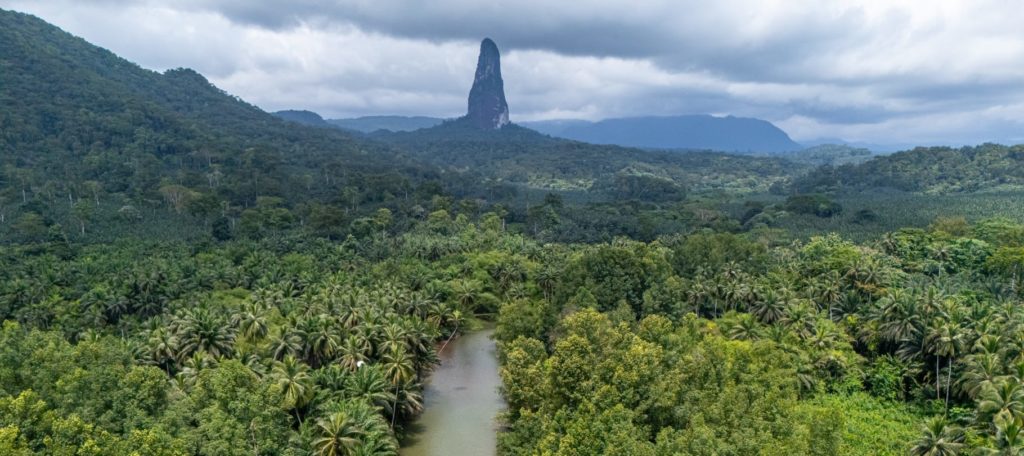
In São Tomé and Príncipe, a USD 2.6 million investment implemented by UNDP with technical support from the Royal Netherlands Meteorological Institute (KNMI) will strengthen both meteorological infrastructure and institutional capacity. The project includes the upgrade of two automatic weather stations and the rehabilitation of one upper-air station, alongside specialized training and strategic management support.
Dominican Republic
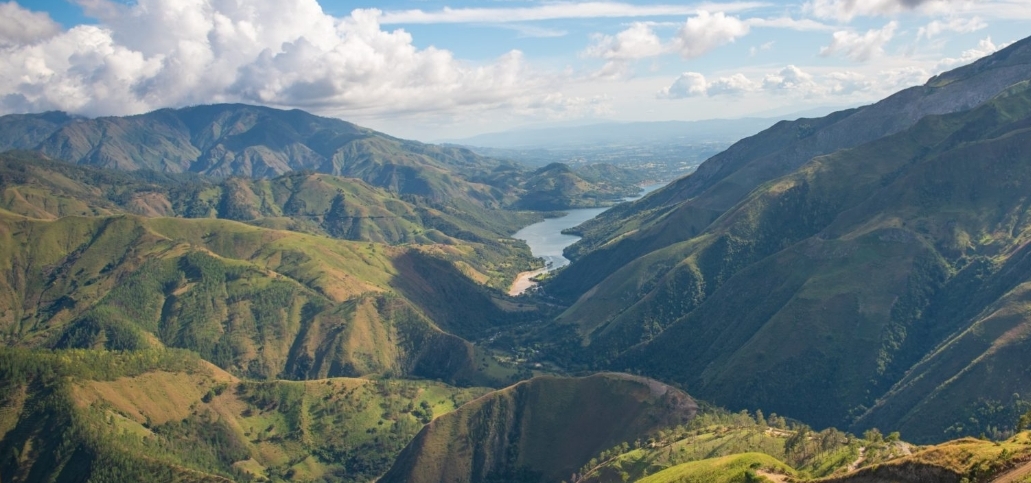
A USD 1.19 million investment will modernize and expand the national observing network through a single-phase implementation designed to achieve GBON compliance. Implemented by the World Food Programme (WFP) with technical support from Spain’s State Meteorological Agency (AEMET), the project will upgrade one manual surface station and three automatic weather stations, while strengthening technical capacity and data transmission systems. The improvements will support more informed decision-making in areas such as disaster preparedness, agriculture and water resource management.
Suriname
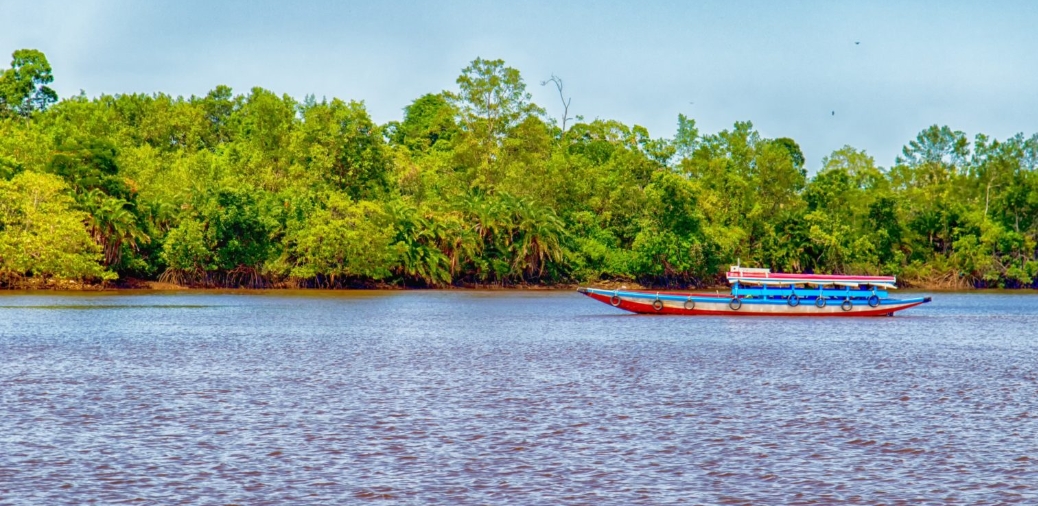
In Suriname, a USD 2.42 million investment implemented by UNDP with technical support from KNMI will improve weather monitoring and forecasting capabilities across the country, particularly in data-scarce areas. The project will upgrade one upper-air station and rehabilitate five automatic weather stations, helping to improve the availability of observations needed to support communities, ecosystems and economic activities.
Expanding the investment pipeline
The Steering Committee also approved the inclusion of Jamaica, Nepal and Senegal in the SOFF Investment Pipeline, where they will be considered for funding as resources become available. With these additions, the total number of countries with Investment Funding Requests approved or ready for approval rises to 32. Once implemented, these investments are expected to close 46% of the GBON gap for both surface and upper-air stations over land across Least Developed Countries (LDCs) and Small Island Developing States (SIDS).
Other decision documents
Beyond country investments, the Steering Committee took important decisions aimed at strengthening SOFF’s ability to deliver impact at scale.
Recognizing the growth of the SOFF portfolio, the Steering Committee approved an expanded role for WMO as SOFF Technical Authority. It also adopted the SOFF Compliance Phase Framework, which will guide results-based support for the operation and maintenance of observing systems once investments are completed.
The Committee further endorsed strengthened collaboration with the Global Climate Observing System (GCOS) to produce the first-ever Global State of Systematic Observations Report.
In addition, members agreed to proceed with the establishment of a Special Purpose Vehicle in Ireland to serve as the resource mobilization vehicle for issuing Systematic Observation Impact Bonds.
The Steering Committee also adopted the SOFF Results Framework for the Extended First Implementation Period (2022–2027), the SOFF Monitoring, Evaluation and Learning Framework, and the SOFF Secretariat Budget for July 2026–June 2027.
The meeting took place from 27 to 29 May 2026 and was hosted by the Government of Belgium. It was co-chaired by Prof. Celeste Saulo, Secretary-General of the World Meteorological Organization (WMO), and Annemarie Van der Avort, Director for Climate and Environment at Belgium’s Ministry of Foreign Affairs, Foreign Trade and Development Cooperation.
The 15th SOFF Steering Committee Meeting will take place online on 21 October 2026.
YOU MAY ALSO LIKE...