Five Additional Countries Approved for SOFF Investment
The 13th Steering Committee of the Systematic Observations Financing Facility (SOFF) approved five additional countries to enter the Investment Phase — an important step toward strengthening global weather and climate observations. Zambia, Cuba, Bangladesh, Guyana and the Democratic Republic of the Congo (DRC) will now move from planning into implementation, increasing the number of countries in the Investment Phase from 18 to 23.
With technical assessments and planning completed, funding can now be directed toward building and upgrading weather observation stations, improving operations, and reinforcing long-term national capacity. The total approved investment amounts to USD 19.5 million and will support countries in meeting the requirements of the Global Basic Observing Network (GBON), helping ensure that essential weather data is consistently collected and shared worldwide.
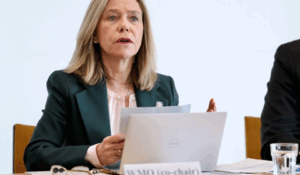
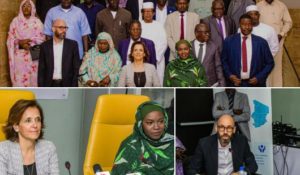
The meeting was co-chaired by Annemarie Van der Avort, Director for Climate and Environment at Belgium’s Ministry of Foreign Affairs, Foreign Trade and Development Cooperation, and Prof. Celeste Saulo, Secretary-General of the World Meteorological Organization. The approval of these new investments is made possible thanks to the continued commitment of the SOFF pioneer funders, whose contributions are critical to closing the basic weather and climate data gap and strengthening the foundation for more accurate forecasts and early warnings worldwide.
Zambia
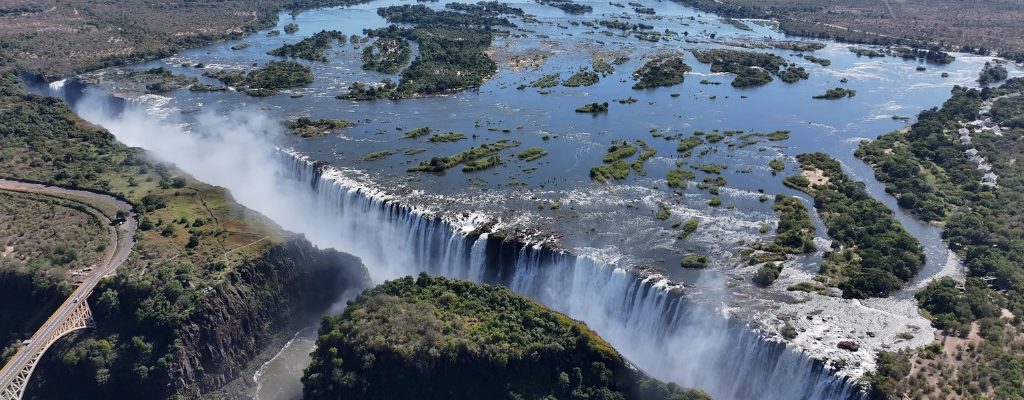
A USD 3.6 million investment will focus on sustaining existing infrastructure, strengthening human capacity and installing one upper-air station, reinforcing the country’s ability to monitor weather conditions and share data. The programme — supported by the UK Met Office and implemented by WFP — follows a phased approach. Further expansion of the upper-air network will be contingent on the successful operation and performance of the first station.
Cuba
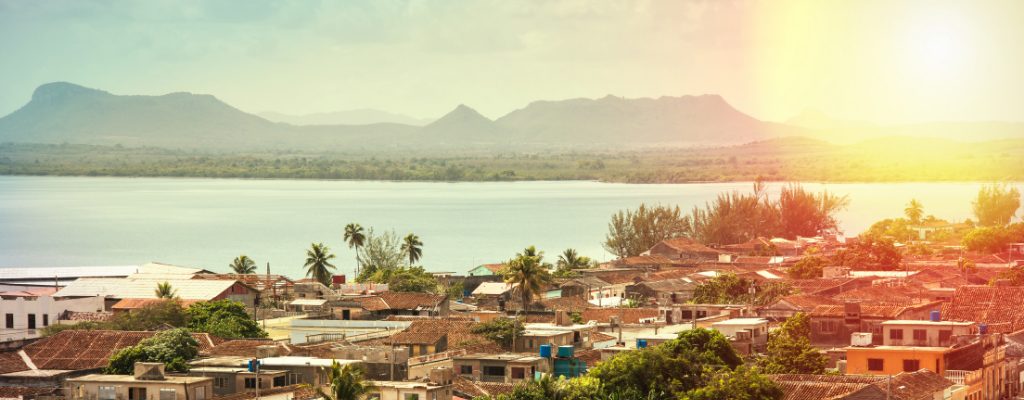
A USD 6.5 million investment will upgrade and expand the country’s weather observation network, including one new surface station, two new upper-air stations, and improvements to eight existing stations. With support from Spain’s State Meteorological Agency (AEMET) and implementation by UNDP, it will also strengthen national calibration capacity, ensuring weather instruments are properly tested and maintained, while enabling Cuba to provide calibration support to other Caribbean countries. Together, these improvements will contribute to more reliable hurricane forecasts across the region, helping countries better anticipate and respond to severe weather events.
Bangladesh
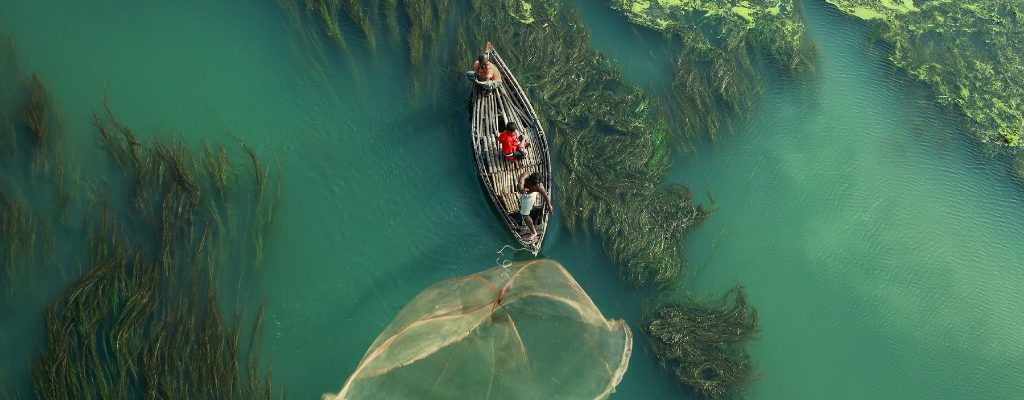
Implemented by the Islamic Development Bank and with the support of the Norwegian Meteorological Institute (NMI) and China Meteorological Administration (CMA), a USD 4.95 million investment will build on existing infrastructure with a strong focus on strengthening institutions and training personnel to ensure that weather observations remain reliable and sustainable over the long term.
Guyana
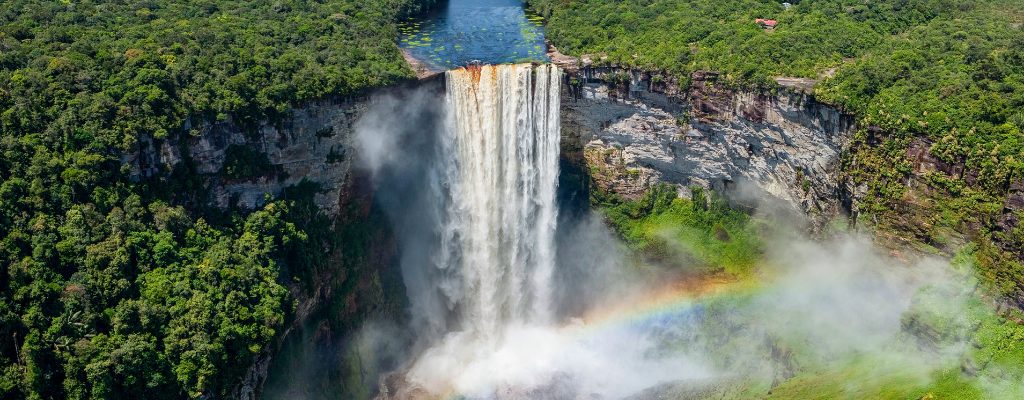
A USD 1.93 million investment, implemented by the Inter-American Development Bank with technical support from GeoSphere Austria, will allow the country to make rapid progress toward meeting GBON requirements by building on its existing capacity and strengthening upper-air observations.
Democratic Republic of the Congo
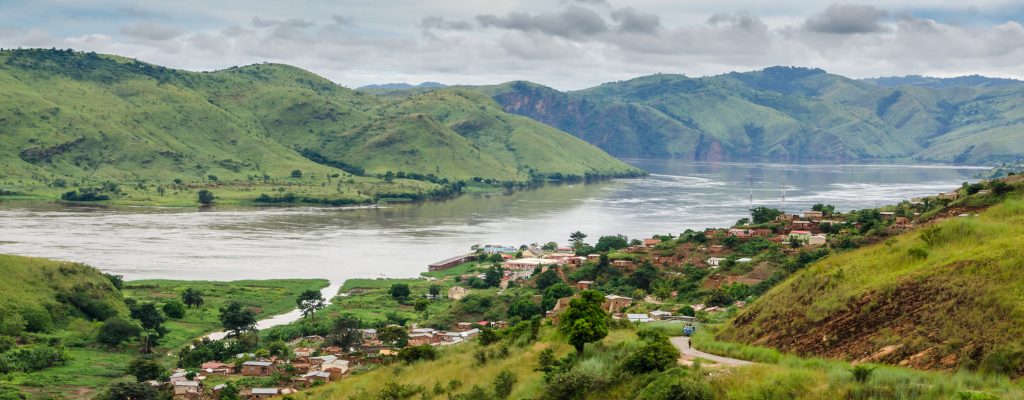
A phased approach, with technical support from MeteoSwiss, will address the country’s observation gaps. The first phase, implemented by WFP and amounting to USD 2.46 million, will focus on the installation of eight surface stations. Given the country’s vast size and high climate vulnerability, this investment represents an important step toward strengthening national monitoring systems and contributing critical data to regional and global forecasting.
New Countries added to the SOFF Investment pipeline
Cambodia and Haiti were included in the Investment pipeline for potential future funding as resources become available. Their inclusion reflects technical readiness and prioritization based on feasibility, timing and alignment with ongoing initiatives.
With countries already approved or ready for approval, SOFF investments are now expected to address approximately 44% of the surface station gap and nearly 44% of the upper-air station gap over land in Small Island Developing States and Least Developed Countries. This represents meaningful progress in closing critical data gaps and reinforcing the global weather system that underpins early warnings, climate resilience and economic stability worldwide. According to ECMWF’s Impact Experiment, this is expected to reduce forecast uncertainty within a 12-hour forecast by more than 30% in Africa and up to 20% in the Pacific.
About SOFF
SOFF is a specialized United Nations climate fund, established by the World Meteorological Organization (WMO), the United Nations Development Programme (UNDP) and the United Nations Environment Programme (UNEP). By providing long-term investment and technical assistance to address gaps in weather and climate observations in resource-scarce countries, SOFF plays a key role in improving early warning capabilities. Better observations lead to better forecasts, which in turn lead to better decisions and disaster preparedness for communities most affected by climate risks. SOFF promotes a peer-to-peer technical assistance approach, supporting countries in delivering weather and climate observations in a sustainable way.
YOU MAY ALSO LIKE...